Bitcloid: The Futuristic Dot Font for Digital-First Design
There’s a particular kind of energy that comes from a design that feels like it belongs in the future. Think about the glowing interfaces in a cyberpunk film, the crisp typography on a high-end gaming dashboard, or the unmistakable aesthetic of a tech startup that wants to look cutting-edge. Capturing that vibe isn’t just about color palettes or layout—it starts with the typeface you choose. Bitcloid, a modern futuristic digital dot font, is built precisely for this kind of work. It’s not just a set of characters; it’s a visual language that communicates innovation, digital precision, and forward-thinking style.
A Typeface Built on Modular Precision
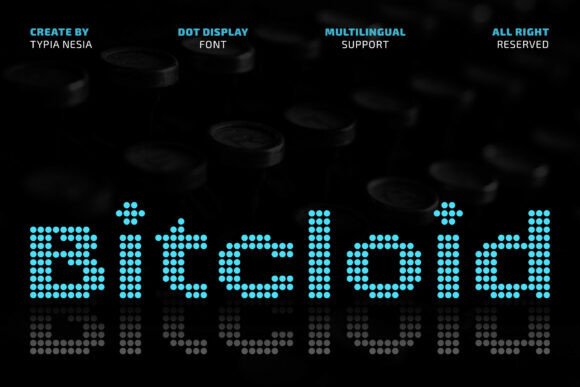
What immediately sets Bitcloid apart is its construction. Inspired by retro pixel displays and cyber aesthetics, each letterform is crafted from modular dot structures and clean geometric shapes. This gives the font an expanded, grid-like feel that’s both nostalgic and thoroughly modern. It doesn’t mimic old 8-bit graphics; it reinterprets the concept for contemporary digital environments. The result is a typeface that feels technical yet approachable, structured yet dynamic. For designers working on projects that need to convey a sense of technology, gaming, or sci-fi immersion, Bitcloid provides a foundation that’s visually distinctive and thematically coherent.
Consider the difference between a standard sans serif font and something like Bitcloid. A clean sans serif might work for a corporate report, but it rarely sparks the imagination. Bitcloid, with its dot-matrix construction, instantly signals that a project is rooted in digital culture. It’s the kind of font that makes a game title feel more immersive, a tech brand more innovative, or a social media campaign more visually arresting. This isn’t about being flashy for the sake of it—it’s about choosing typography that aligns with your project’s core identity.
Where Bitcloid Shines: Practical Applications
The real test of any premium font is how well it translates across different media. Bitcloid’s design is versatile enough to work in a surprising number of contexts, but it truly excels where a futuristic or tech-forward aesthetic is desired.
For branding and logo design, Bitcloid offers a strong visual anchor. A startup in the AI, gaming, or software space could use it to create a logotype that feels native to the digital world. The dot structure ensures the logo remains recognizable even at smaller sizes, which is crucial for app icons or social media profile pictures. Pair it with a simple geometric icon, and you have a brand identity that feels cohesive and memorable.
In digital interfaces and web design, Bitcloid can be used strategically for headings, buttons, or navigation elements on sites aiming for a cyberpunk, tech, or gaming theme. It’s not necessarily a font for body text—its display nature makes it ideal for moments of impact. Think of a hero section on a landing page, a call-to-action button that needs to pop, or a section header that sets the tone for the content below.
Social media graphics and marketing assets are another natural fit. In a crowded feed, a post using Bitcloid for its headline text will stand out. It’s perfect for announcing a new tech product, promoting a gaming stream, or creating visually consistent templates for Instagram stories or YouTube thumbnails. The font’s inherent energy can help boost engagement by making content feel more dynamic and current.
Don’t overlook print and merchandise. Bitcloid works beautifully on posters for tech events, album covers for electronic music, or merchandise like t-shirts and stickers for a gaming community. Its clean lines reproduce well in print, and the dot motif maintains its integrity across different mediums. For packaging design, especially for products like electronics, software, or even craft beverages targeting a younger, tech-savvy audience, Bitcloid can add a layer of modern appeal that differentiates the product on the shelf.
Making It Work: Pairing and Readability
Choosing a bold, stylized font like Bitcloid is only half the battle. The key to using it effectively lies in thoughtful pairing and a clear understanding of its strengths. As a display typeface, Bitcloid is meant for headlines, titles, and short bursts of text. Its detailed structure would become difficult to read in long paragraphs. The smart move is to pair it with a highly readable sans serif or even a simple serif font for body copy. A clean, neutral font like a geometric sans serif will let Bitcloid’s personality shine without competing for attention, creating a balanced typographic hierarchy.
Always test your font pairings in context. Does the combination work on a mobile screen? Is the contrast sufficient for accessibility? Does the overall feel match the project’s goals? Bitcloid’s futuristic vibe might clash with a traditional handwritten script, but it could create an interesting tension when paired with a classic serif for an editorial project about the history of technology. Experimentation is part of the process.
When you acquire a font like Bitcloid, check what’s included. A well-designed commercial font often comes with multiple weights, stylistic alternates, or extended language support. Understanding these options allows you to use the typeface more flexibly. For instance, a lighter weight might be suitable for subheadings, while the bold version makes the main title stand out. Always review the licensing terms as well. If you’re using the font for client work or commercial products, ensure you have the appropriate commercial license. Reputable foundries are clear about this, and respecting licensing supports the designers who create these valuable tools.
Aligning Typography with Project Goals
Ultimately, the fonts you select are a direct reflection of your project’s intent. Bitcloid isn’t just a creative font; it’s a strategic design asset. It tells your audience something before they even read the words. It suggests a brand that is innovative, a product that is technologically advanced, or an experience that is immersive and digital.
For a content creator designing a series of tech review videos, using Bitcloid for thumbnails and on-screen text builds immediate visual recognition. For a small business owner launching an app, it can help establish a brand identity that feels native to the platform. For a marketer creating a campaign for a new gadget, it reinforces the product’s cutting-edge nature. This alignment between visual style and core message is what separates good design from great design.
In a landscape where visual communication is constantly evolving, having a typeface like Bitcloid in your toolkit is about more than just aesthetics. It’s about having the right visual vocabulary to speak directly to a modern, digitally-native audience. It’s about choosing a font that doesn’t just sit on the page but actively contributes to the story you’re trying to tell. When your typography works in harmony with your content, you create a more professional, engaging, and cohesive experience for everyone who encounters it.