Medhorn: A Modern Slab Serif for Bold, Impactful Design
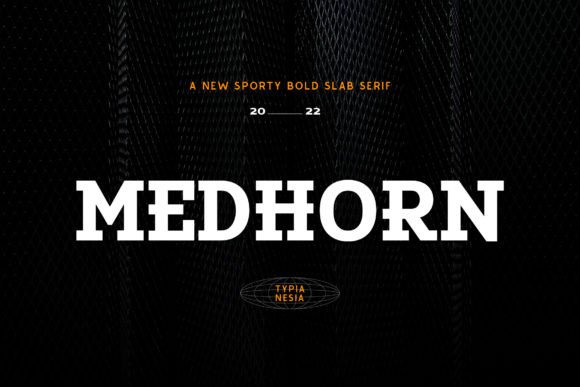
There's a moment in every project where the typography either clicks into place or throws everything off balance. You've got the color palette dialed in, the layout feels right, but something's missing—that typographic anchor that gives the whole piece its voice. That's where a typeface like Medhorn enters the conversation. It's a modern sports slab serif that carries enough visual weight to command attention without overwhelming the rest of your design. If you've been searching for a font that bridges the gap between athletic energy and refined professionalism, this one deserves a closer look.
What Makes Medhorn Stand Out in a Crowded Font Market
Medhorn isn't trying to be everything to everyone, and that's precisely what makes it so effective. Its slab serif construction gives each letterform a grounded, sturdy presence—the kind of weight you'd expect from a typeface built for headlines and hero sections. But there's a modern sensibility woven throughout. The letter shapes feel current, not retro. The spacing is deliberate. The overall rhythm of the typeface creates a sense of forward motion, which is why it works so naturally in contexts involving speed, competition, and ambition.
What really sets this typeface apart is its versatility across wildly different project types. Think about a mountain hiking brand that needs to convey both ruggedness and trustworthiness. Or a music festival poster that demands energy without sacrificing legibility. Medhorn handles both scenarios with confidence. It's the kind of premium font that doesn't need to shout to be noticed—its presence alone shifts the tone of whatever it touches.
The included swashes and alternate glyphs add another layer of creative flexibility. Because the font is PUA encoded, accessing those decorative elements doesn't require special software or workarounds. You can pull up every glyph directly from your character map, which means more time designing and less time troubleshooting. For designers who value efficiency alongside aesthetics, that's a meaningful detail.
Where This Typeface Truly Shines
Let's talk about real-world applications, because a font is only as good as the projects it elevates.
Logo and Brand Identity Work
When you're building a brand identity from scratch, the typeface you choose for the wordmark or logotype sets the entire visual trajectory. Medhorn's slab serif structure communicates stability and confidence—qualities that resonate with audiences in fitness, automotive, outdoor adventure, and competitive gaming spaces. A vintage garage brand could use it to nod toward classic Americana while staying firmly planted in the present. An e-sports team could lean into its boldness to establish an aggressive, memorable mark. The key is that this display font carries enough personality to define a brand's voice without needing excessive decoration around it.
Packaging and Print Collateral
Product packaging demands a typeface that reads well at multiple sizes—from the product name displayed prominently on a box to smaller descriptive text on a label. Medhorn's clarity at various scales makes it a practical choice for packaging design. Imagine it on a craft beer label, a protein bar wrapper, or a subscription box exterior. The letterforms hold up under printing conditions, and the modern serif aesthetic gives products a polished, shelf-ready appearance.
For print materials like business cards, brochures, and flyers, the font maintains its visual integrity even in smaller applications. Pair it with a clean sans serif font for body copy, and you've got a typographic system that feels cohesive and intentional.
Digital Spaces: Websites, Blogs, and Social Media
Web design benefits enormously from typefaces that load well on screen and maintain readability across devices. Medhorn works beautifully for website headers, section titles, and call-to-action text. On a blog, it can serve as the headline typeface that gives each post a consistent visual identity. For social media graphics—Instagram posts, YouTube thumbnails, Pinterest pins—its boldness cuts through the noise of a crowded feed. The font does the heavy lifting of grabbing attention in those critical first seconds of a scroll.
Content creators and marketers often struggle with maintaining visual consistency across platforms. Using a single typeface family like Medhorn for all headline and accent text creates an immediate thread of recognition. Your audience starts associating that typographic style with your content before they even read the words.
Posters, Editorial Layouts, and Merchandise
Sports posters, event promotions, movie titles, book covers—these are spaces where a typeface needs to carry emotional weight. Medhorn's slab serif roots give it a cinematic quality that works well for entertainment and editorial contexts. A novel cover in the adventure or thriller genre could use it to set an immediate tone of intensity. A race-day event poster would benefit from its association with speed and competition.
Merchandise is another area where this font's personality translates effectively. T-shirts, hats, stickers, and mugs featuring bold typographic designs rely on fonts that look as good on fabric as they do on screen. The clean, defined edges of Medhorn's letterforms make it a strong candidate for merchandise design that needs to reproduce well across different materials and printing methods.
Practical Tips for Getting the Most Out of Medhorn
Choosing a font is only the first step. Using it well requires some intentional decision-making.
Test It in Context Early
Before committing to a typeface for a full project, drop it into a rough mockup. See how it interacts with your color scheme, imagery, and layout structure. A font that looks stunning in isolation might feel too heavy or too subtle once it's surrounded by other design elements. Quick testing saves revision time later.
Pair Thoughtfully
Medhorn pairs well with simpler sans serif fonts for body text. The contrast between a bold slab serif headline and a clean, lightweight body typeface creates visual hierarchy without competing for attention. Avoid pairing it with another ornate or heavy typeface—that combination tends to create visual clutter rather than clarity. Think of font pairing like a conversation: one voice leads, the other supports.
Consider Your Audience's Expectations
Different audiences respond to different typographic cues. A fitness brand's customers expect strength and energy from the visual presentation. An editorial publication's readership expects sophistication and readability. Medhorn adapts to both contexts, but the way you deploy it—size, color, spacing, surrounding design elements—should align with what your specific audience finds appealing and trustworthy.
Explore the Full Glyph Set
Because this creative font includes swashes and alternate characters, take time to explore what's available. Those extra glyphs can add a distinctive touch to logos, headers, and display text. A subtle swash on a single letter can transform a standard headline into something with genuine character. Don't overlook those details—they're often what separate good design from memorable design.
Review Licensing Before Commercial Use
If you're planning to use Medhorn for client work, merchandise, or any commercial application, verify that your license covers that use. Most premium fonts come with clear licensing terms, but it's worth double-checking before a project goes to print or goes live. Understanding your commercial font licensing upfront prevents headaches down the road.
Building Stronger Visual Communication
Typography is one of the most powerful tools in a designer's toolkit, yet it's often the element that gets the least deliberate attention. The typefaces you choose shape how people perceive a brand, a product, or a message before they engage with the content itself. Medhorn offers a specific voice—bold, modern, confident, and versatile enough to adapt across industries and applications.
Whether you're a small business owner developing your first brand identity, a designer working on a client's packaging refresh, or a content creator building a recognizable visual presence online, having a reliable slab serif typeface in your collection gives you options. It's the kind of design asset that earns its place not through trendiness, but through consistent, practical performance across the projects that matter most to your work.
The best typography decisions aren't about following rules—they're about understanding what your project needs to communicate and finding the typeface that makes that communication effortless. Medhorn makes a strong case for itself in that equation.