Modern Game: The Font Blending Futurism with Playful Design
There's a unique challenge in digital design: capturing the nostalgic energy of early video games without feeling stuck in the past. We've all seen the classic blocky pixel fonts—they have their place, but they can sometimes feel rigid or overly retro for a contemporary brand. What if you could keep that digital DNA but soften it, making it feel more organic, friendly, and suited for the sleek interfaces of today's apps and websites? That's precisely the space where the Modern Game typeface operates, offering a fresh take on a familiar aesthetic.
A Softer Approach to Digital Typography
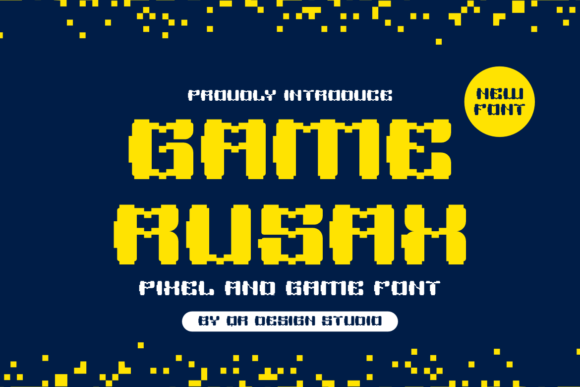
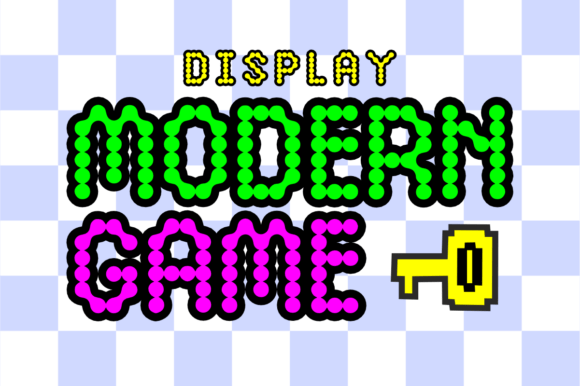
At its core, Modern Game is a display font that reimagines the pixel grid. Instead of sharp, square modules, it uses a series of rounded, dot-like modules to construct each letterform. Think of it as the "bubble-dot" effect. This construction is the key to its personality. It maintains a strong tech-oriented identity—the kind you'd associate with gaming, apps, and digital media—but it does so with a friendlier, more approachable vibe. The rounded edges remove the harshness, making it feel less like a terminal command and more like a welcoming interface.
This visual characteristic makes it incredibly versatile. It doesn't scream "8-bit nostalgia." Instead, it whispers "modern digital." The font feels sophisticated in its simplicity. It's a creative display typeface that understands the balance between being eye-catching and remaining legible, a common pitfall for many decorative fonts. For a designer or a small business owner, this means you can inject personality into a project without sacrificing clarity for your audience.
Where This Typeface Truly Shines
Understanding a font's personality is one thing; knowing where to apply it is where the real value lies. Modern Game's unique texture makes it a standout choice for specific applications where innovation and playfulness need to coexist.
Branding and Logo Design: If you're building a brand in the mobile gaming sector, a creative app studio, or a tech-focused startup, this font can become a cornerstone of your visual identity. Its distinct look aids in instant brand recognition. Imagine it as the logotype for an indie game studio or the wordmark for a new social media filter app. It communicates that the brand is innovative, approachable, and digitally native. When used for logos, it’s best suited for shorter text—the brand name itself—to maximize impact.
Digital-First Applications: This is where Modern Game feels most at home. Consider its use in:
- Social Media Graphics: For Instagram posts, YouTube thumbnails, or TikTok overlays, it grabs attention quickly. Paired with high-saturation colors—electric blues, vibrant pinks, neon greens—and rounded UI elements in your designs, it helps create a cohesive, modern digital environment that pops in a fast-scrolling feed.
- Website Headers & UI Elements: While it's not a body text font (more on that later), it’s perfect for hero section headlines, call-to-action buttons, or section titles on a landing page. It sets a tech-forward tone immediately upon the visitor's arrival.
- Blog & Editorial Design: For a blog focused on gaming news, tech reviews, or digital culture, using Modern Game for article titles or pull quotes can inject energy into the layout and reinforce the site's niche expertise.
Physical Products and Marketing Collateral: Don't limit it to the screen. This premium font can translate effectively to print when used strategically. Think about packaging design for a tech accessory, a poster for a gaming convention, or merchandise like T-shirts and stickers for a digital creator's brand. Its bold, graphic nature ensures it holds up well in print, maintaining its playful yet professional presentation.
Practical Advice for Implementation
Choosing a creative font like Modern Game is just the first step. Using it effectively requires some practical design thinking. Here’s how to integrate it into your workflow for the best results.
Prioritize Readability and Hierarchy: As a display font, Modern Game is engineered for impact at larger sizes, not for dense paragraphs. The rule of thumb is simple: use it for headlines, logos, and short, punchy text. For body copy, you need a highly readable companion. This is where font pairing becomes critical. Pair it with a clean, neutral sans serif font (like a modern geometric sans) or even a simple serif for a touch of contrast. The goal is visual consistency—your headline grabs attention, and your body text delivers the message without strain.
Test Before You Commit: Never take a font's appearance for granted from a specimen sheet alone. Always test Modern Game in the context of your specific project. Mock up a social media post, a website header, or a product label. See how it interacts with your color palette, your imagery, and your other design assets. Does the "bubble-dot" texture get lost on a busy background? Does it pair well with your chosen secondary typeface? This testing phase is non-negotiable for professional results.
Review the Included Styles: A good commercial font often comes with more than just the basic uppercase letters. Check what's included in the Modern Game font package. Does it have alternate characters, numerals, or punctuation that could enhance your design? Are there different weights or stylistic sets? Understanding the full toolkit allows you to unlock its creative potential fully and ensures you're making the most of your design assets.
Licensing is Key: If you're using this for a client project, a commercial product, or anything beyond personal experimentation, you must ensure you have the correct commercial license. Using a font without the proper license can lead to legal and financial headaches down the line. Always review the licensing terms from the foundry or marketplace where you purchase it.
Beyond the Pixel: A Tool for Modern Communication
Ultimately, Modern Game is more than just a novelty typeface. It's a strategic tool for visual communication. It helps bridge the gap between the digital world we inhabit and the human desire for approachable, engaging design. For the entrepreneur, it offers a way to stand out in a crowded market. For the designer, it provides a unique building block to solve specific creative briefs. For the content creator, it adds a layer of personality that can strengthen audience connection.
Its strength lies in its duality: it is both innovative and playful, sophisticated and friendly. By understanding its visual characteristics and applying it thoughtfully to the right projects—leveraging its power in headlines, logos, and key graphics while respecting its limits for body text—you can use Modern Game to build stronger brand identities, create more engaging marketing assets, and design digital experiences that feel truly contemporary. It’s a testament to how a single design asset, chosen wisely, can elevate the entire visual narrative of a project.