Mondrich: The Bold Display Typeface for Modern Brands
There's a moment in every design project where typography makes or breaks the visual impact. You've nailed the color palette, the imagery feels right, and the layout flows—but something's missing. The headline doesn't command attention the way you imagined. That's exactly the kind of problem the Mondrich typeface was built to solve.
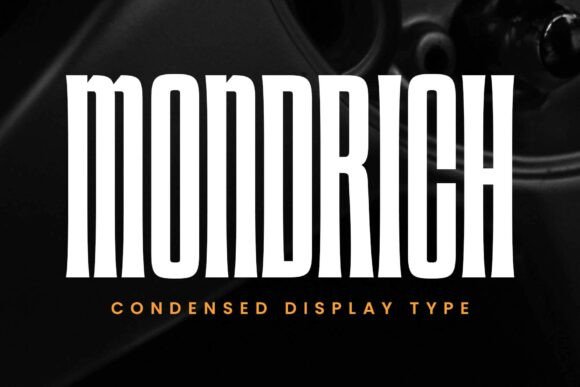
Mondrich is an ultra-condensed sans-serif display font with bold weight, tall proportions, and widened stroke tips that give it an unmistakable presence. It doesn't whisper. It announces. And for designers, entrepreneurs, and creative professionals who need their typography to carry real weight, this font delivers a combination of elegance and power that's surprisingly hard to find in a single typeface.
Why Mondrich Works Across So Many Design Styles
One of the most frustrating experiences in design is finding a font that looks incredible in one context but falls flat in another. You fall in love with a typeface for a vintage poster project, then realize it looks awkward on a website header. Or you discover a sleek futuristic font that completely clashes with your warm, approachable brand guidelines.
Mondrich sidesteps that problem entirely. Its clean lines and sharp verticality project a sense of forward-moving engineering and architectural precision, yet the widened stroke tips soften its edges just enough to feel stylish rather than cold. This balance means the font adapts naturally to wildly different themes—vintage sports branding, futuristic tech interfaces, high-end fashion labels, and modern editorial layouts all benefit from its design DNA.
Think about what that means practically. A sports apparel company could use Mondrich for jersey lettering and merchandise tags, then carry the same typeface into their e-commerce website hero banners and Instagram story templates. A tech startup might choose it for their logo, then reuse it consistently across pitch decks, app splash screens, and product packaging. That kind of typographic consistency across touchpoints builds brand recognition faster than almost any other visual element.
Practical Applications That Actually Matter
Let's get specific about where Mondrich shines, because understanding real-world use cases matters far more than abstract font descriptions.
Cinematic and editorial design: Movie posters, magazine covers, and book jackets demand typography that grabs attention from across a room. Mondrich's tall proportions and bold weight make it ideal for these scenarios. It fills vertical space efficiently, which means you can create dramatic headlines without sacrificing breathing room in your layout. Pair it with a wide-spaced sans-serif for secondary text, and you've got a typographic hierarchy that feels both intentional and visually dynamic.
Branding and logo design: A logo needs to work at every size—from a favicon to a billboard. Mondrich's condensed letterforms maintain their character even at reduced scales, while its bold strokes ensure visibility at larger sizes. For entrepreneurs building a brand identity from scratch, starting with a strong display font like this gives your visual system a solid foundation. The font communicates confidence and modernity without relying on trendy effects that'll feel dated in eighteen months.
Packaging and merchandise: Shelf presence is everything in retail. Whether you're designing coffee bag labels, cosmetic packaging, or limited-edition apparel, Mondrich's clean geometry ensures your product name reads clearly while still looking distinctive. The font's versatility means it works equally well for luxury goods and streetwear—a rare quality that makes it a smart investment for designers who work across multiple client categories.
Digital media and social content: Website hero headers, blog post titles, YouTube thumbnails, and social media graphics all benefit from typefaces that render crisply on screens. Mondrich was designed with digital clarity in mind. Its simplified letterforms avoid the rendering issues that plague more ornate fonts at smaller pixel sizes, making it reliable for responsive web design where your typography needs to perform across devices.
Pairing Mondrich With Other Fonts
No typeface exists in isolation. Even the strongest display font needs complementary partners to create a complete typographic system. Here's where thoughtful font pairing becomes essential.
Mondrich's condensed, bold character works best when contrasted with something more open and understated for body text. An expansive, wide-spaced sans-serif creates a natural dynamic contrast—think of Mondrich handling your headlines while a font like a geometric sans manages paragraphs and captions. This pairing gives readers a clear visual roadmap through your content: bold headlines signal key messages, while readable body text delivers the details.
For projects with a more editorial or sophisticated feel, consider pairing Mondrich with a clean serif font. The contrast between Mondrich's sharp modernism and a traditional serif's organic curves creates visual tension that feels intentional and polished. This approach works beautifully for architecture magazines, luxury brand brochures, and high-end product catalogs.
The key principle is contrast. Don't pair Mondrich with another condensed sans-serif—that creates visual competition rather than hierarchy. Instead, let it dominate headlines while secondary fonts handle supporting roles. Test your pairings at actual sizes before committing. What looks balanced at 72pt on your monitor might feel cramped at 24pt on a mobile screen.
Choosing Between Regular and Slanted
Mondrich comes in two styles: Regular and Slanted. This might seem like a minor detail, but the choice between them carries real design implications.
The Regular style delivers maximum impact with its upright geometry. It feels authoritative, structured, and direct—perfect for corporate branding, architectural firms, tech companies, and any project where stability and precision matter. Use it when you want your typography to feel grounded and commanding.
The Slanted variant introduces a subtle sense of motion and energy. The angled letterforms feel more dynamic and approachable, making them well-suited for sports branding, entertainment graphics, lifestyle products, and campaigns targeting younger audiences. It's not a true italic—it maintains Mondrich's condensed structure while adding just enough tilt to shift the mood.
Many designers use both styles within a single project. Regular for primary headlines, Slanted for subheadings or accent text. This creates visual variety while maintaining typographic cohesion—a smart strategy for brands with multiple content layers.
Licensing and Long-Term Value
Before incorporating any premium font into commercial projects, verify the licensing terms match your intended use. Most display fonts like Mondrich offer different license tiers depending on whether you're using them for personal work, client projects, or products for sale. Read the license agreement carefully, especially if you plan to embed the font in digital products, distribute it through templates, or use it across multiple client accounts.
For designers and agencies, investing in a versatile commercial font like Mondrich pays dividends over time. Rather than purchasing separate fonts for each project style—vintage, futuristic, modern, sporty—you can rely on one well-designed typeface that adapts to different briefs. That efficiency saves both money and the time you'd otherwise spend evaluating new fonts for every project.
The best typography decisions aren't about chasing novelty. They're about finding typefaces with enough depth and versatility to serve your work consistently across projects and years. Mondrich, with its blend of bold presence and adaptable style, earns its place in a serious designer's toolkit not through gimmicks, but through reliable, high-impact performance across the kinds of real-world applications that actually matter.