The Duck Font: Injecting Playful Energy into Your Designs
There’s a certain kind of energy that jumps off the screen or page and immediately grabs your attention. It’s not just loud; it’s charismatic. That’s the feeling you get when you first encounter The Duck. In a landscape often dominated by safe, geometric sans-serifs and traditional serifs, this distinctive display typeface arrives with a groove all its own. It doesn’t just sit there; it bounces, sways, and practically dances across your layout. If you’ve been searching for a way to inject genuine personality into your work—whether you’re launching a streetwear brand, designing a festival poster, or crafting a YouTube thumbnail—understanding how to harness this font’s vivacity could be the missing puzzle piece for your visual identity.
Capturing the Groovy Essence
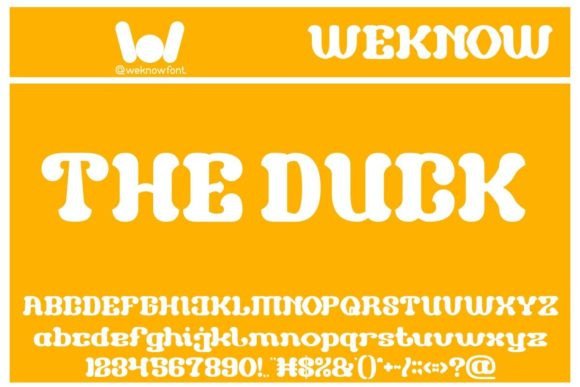
Typography is about voice, and The Duck speaks fluent "fun." It falls firmly into the category of a display font, meaning it is specifically engineered to be used at larger sizes where its intricate details can shine. But what sets it apart from other novelty typefaces is its versatility. It carries a retro-futuristic vibe—a nod to the groovy curves of the 70s mixed with a modern, clean execution. This isn't a messy scrawl or an illegible artistic experiment. It is a carefully crafted premium font designed to maintain readability while pushing the boundaries of style.
For brand identity, this character is invaluable. Imagine a coffee shop trying to stand out in a crowded market, or a tech startup that wants to appear approachable rather than corporate. Using a standard sans serif font might communicate safety, but using The Duck communicates confidence and creativity. It tells your audience that you don't take yourself too seriously, yet you take your craft very seriously. It’s the visual equivalent of a firm handshake paired with a genuine smile.
Strategic Applications: From Apparel to Digital Interfaces
The true test of a creative font is how well it adapts to different mediums. The Duck excels in high-impact environments where first impressions are formed in milliseconds.
Merchandise and Apparel
If you are in the apparel industry, you know that the type on a t-shirt or hoodie is as important as the graphic itself. The Duck lends a playful edge to merchandise that appeals to a younger, street-savvy demographic. It works beautifully for screen printing on cotton, where bold strokes are necessary for durability and impact. Think about album merch, skate brands, or limited-edition drops; this font has the "cool factor" required to make a garment sell.
Logo Design and Branding
Creating a logo design requires a typeface that is memorable. Because The Duck has such a unique silhouette, it helps brands achieve instant recognition. It is particularly effective for businesses in the entertainment, food and beverage, or lifestyle sectors. When used in a logotype, it creates a focal point that anchors the entire brand identity. However, a word of advice for designers: because the font is so expressive, let it breathe. Give it ample white space so the letterforms aren't competing with other elements.
Digital Content and Social Media
In the fast-scrolling world of Instagram, TikTok, and YouTube, static content gets ignored. You need visuals that stop the thumb. The Duck is a powerhouse for social media graphics. Its thick, rounded contours make it perfect for overlaying on video thumbnails, creating Instagram Stories, or designing animated text for Reels. The high contrast ensures that your message is legible even on small mobile screens, solving one of the biggest challenges in modern web design and digital marketing.
Mastering the Art of Font Pairing
While The Duck is a star player, no design exists in a vacuum. The key to using a bold display typeface effectively is knowing how to pair it with secondary fonts. You generally don't want to set a full paragraph of body copy in a display font; it can become tiresome to read.
Instead, use The Duck for your headlines, sub-headers, and call-to-action buttons. Then, balance it with a cleaner companion.
- With Sans Serifs: Pairing it with a geometric sans serif font (like a clean Helvetica or a modern Futura) creates a look that is professional yet edgy. The clean lines of the sans serif give the eyes a rest after the excitement of the headline.
- With Serifs: For a more editorial or vintage look, try pairing it with a transitional serif font. This works well for magazine layouts or book covers where you want to mix traditional publishing vibes with modern flair.
- With Handwritten Fonts: If you are going for a very casual, scrapbook aesthetic (great for invitations or party flyers), pairing it with a loose script font can work, but ensure the weights are different enough to create contrast.
Always test your pairings in context. A combination that looks good on a mood board might look cluttered on a business card. Print out samples or view them on different devices to ensure the hierarchy is clear.
Practical Considerations for Professional Use
Before integrating any new typeface into your workflow, it is crucial to look at the technical and legal aspects of the asset.
Readability and Hierarchy
As mentioned, The Duck is a display font. This means it is designed for impact, not for long-form reading. Use it for the "dessert" of your design—the headlines and logos—rather than the "vegetables" of the body copy. By establishing a clear hierarchy where The Duck handles the shouting and a standard modern typography choice handles the whispering, you ensure your designs are both beautiful and functional.
Licensing for Commercial Projects
If you are a small business owner, a freelancer, or a creative entrepreneur, licensing is a topic you cannot ignore. Using a commercial font requires a license that covers your specific usage. Are you putting it on a physical product for sale? Are you using it in a digital app? Are you using it for a client's logo? Most premium fonts come with different tiers of licensing. Always check the End User License Agreement (EULA). For The Duck, ensure you have the correct license if you plan to embed it in software or distribute it within digital products to avoid legal headaches down the road.
Elevating Print and Packaging
While digital is king, print is far from dead. In packaging design, texture and typography work hand in hand. The bold nature of The Duck makes it an excellent choice for product boxes, labels, and shopping bags. It pops on the shelf.
Consider a craft beer label or a box of artisanal donuts. The font's inherent whimsy suggests that the product inside is fun and enjoyable. It breaks the monotony of standard editorial design layouts in magazines, offering a refreshing break that draws the reader's eye to feature articles or pull quotes. Whether it is a flyer for a local gig or a high-gloss poster for a movie premiere, this font provides the visual weight necessary to hold the design together.
Ultimately, The Duck is more than just a set of letters; it is a design asset that bridges the gap between professional polish and playful energy. It allows designers, marketers, and business owners to step away from the safe, sterile fonts that dominate the market and embrace a typeface that has personality. If your goal is to create work that resonates, engages, and sticks in the memory of your audience, bringing this funky, dynamic font into your toolkit is a strategic move that pays dividends in visual engagement. It’s time to let your designs have a little fun.