Why This Playful Display Typeface is a Designer's Secret Weapon
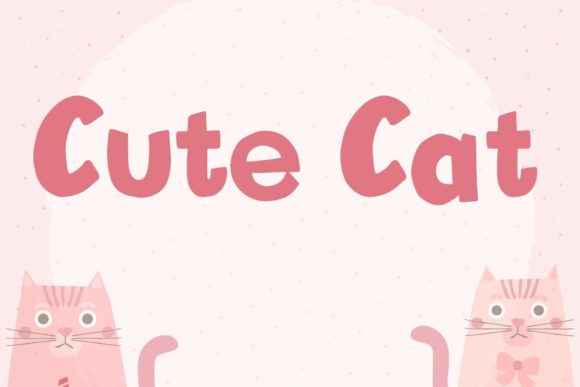
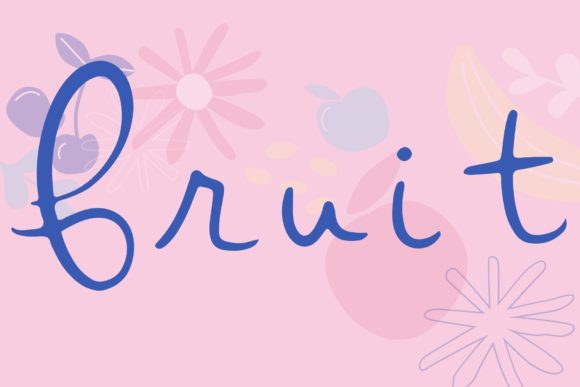
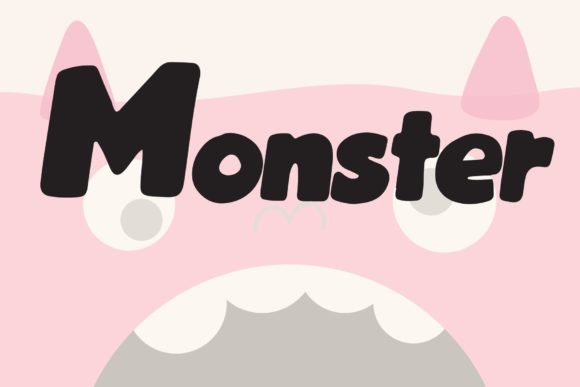
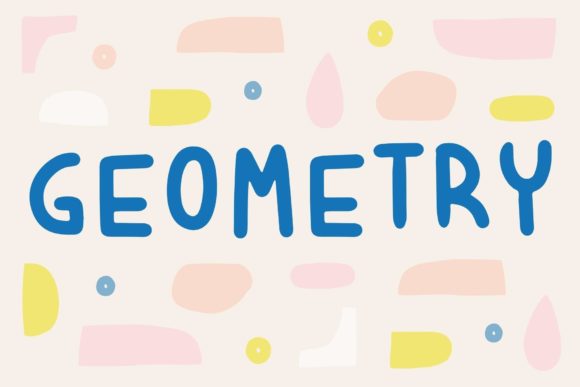
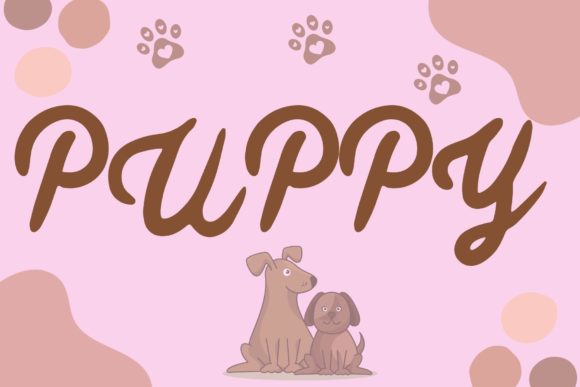
There’s a specific kind of energy you need when a standard corporate font just won’t do. Imagine you are designing a logo for a new children’s educational app, creating the cover for a indie pop album, or mocking up a poster for a summer music festival. You need typography that doesn’t just sit there; you need it to bounce, smile, and interact with the viewer. This is the exact space where the Puppy typeface thrives. It is a cute and jolly display font designed to inject life, warmth, and approachability into your creative projects. While many typefaces aim for neutrality, Puppy aims for personality, making it an essential asset for designers, entrepreneurs, and content creators who want their work to feel instantly welcoming.
The Psychology of "Jolly" in Branding
In the world of brand identity, your typography is often the first handshake you have with a potential customer. If you use a sharp, geometric sans serif, you communicate efficiency and modernity. If you use a heavy serif, you communicate tradition. But if you are in the business of joy—whether that’s a bakery, a toy shop, a gaming channel, or a party planning service—you need a font that communicates happiness. Puppy does this through its letterforms. It features rounded edges and a bouncy baseline that mimics the natural, uneven rhythm of excited handwriting.
This creative font isn't just about looking "cute"; it’s about psychological association. When a user sees a logo set in a typeface like this, they subconsciously lower their guard. It feels less corporate and more human. For small business owners trying to compete with larger, colder corporations, this is a powerful tool. It helps build brand recognition through emotional connection. If your brand voice is friendly, approachable, and fun, your typography must reflect that, or the message gets lost in translation.
Practical Applications: From Logos to Social Feeds
Versatility is key for any design asset, but display fonts often struggle to be useful outside of the main headline. However, the specific construction of Puppy allows it to shine across a variety of mediums. Because it is a display font, it is best used for impact—think large sizes where its details can be appreciated. However, its readability remains surprisingly high for short bursts of text, making it perfect for the fast-paced consumption of digital media.
Here is how different professionals can leverage this typeface:
- Logo Design: For logo design, the font serves as the primary visual hook. It works exceptionally well for brands in the apparel industry, specifically streetwear or children's clothing, where the logo needs to look good printed on fabric.
- Social Media & YouTube: On platforms like Instagram and YouTube, attention spans are short. Using this typeface for video thumbnails or story overlays creates immediate visual interest. The "jolly" aesthetic encourages clicks because it promises content that is entertaining rather than stressful.
- Packaging Design: If you are working on packaging design for food, cosmetics, or stationery, this font helps differentiate your product on a crowded shelf. It suggests that the product inside is made with care and personality.
- Web Design: In web design, it can be used for hero section headlines or "Call to Action" buttons. It softens the user experience, making a website feel less like a transaction and more like a community.
Enhancing Visual Consistency and Engagement
One of the biggest challenges in marketing assets is maintaining visual consistency. When you switch between a serious font for your email newsletters and a playful font for your flyers, your brand identity fractures. By adopting a typeface family that supports your brand's core emotion, you create a cohesive ecosystem.
Imagine a digital product, such as a set of planners or educational worksheets. Using a premium font like Puppy throughout the document ensures that the user experience is consistent. It transforms a mundane utility into something enjoyable to use. This increases audience engagement. People are more likely to share a PDF, pin a graphic, or recommend a service if the visual presentation is polished and delightful.
Furthermore, this font aids in professional presentation. There is a distinct difference between a design that uses default system fonts and one that utilizes a curated typeface. It signals to the viewer that the creator has invested time and thought into the aesthetics, which builds trust. Whether you are a freelance designer pitching a concept to a client or a blogger designing a header for a new post, this attention to detail elevates the perceived value of your work.
Strategic Pairing and Usage Tips
While Puppy is a star player, it rarely works best in complete isolation. Effective typography usually involves pairing. Because Puppy is distinct and full of character, it pairs best with something simpler. To maintain readability for body text, avoid pairing it with another handwritten font or a complex script font. Instead, look for a clean, geometric sans serif font.
For example, if you are designing a poster for a movie or a game, use Puppy for the title to grab attention, but use a neutral sans serif for the credits, date, and location information. This contrast creates a hierarchy that guides the viewer’s eye naturally. You get the emotional impact of the display font without sacrificing the legibility of the information.
When working on editorial design, such as a magazine or a book cover, consider the color palette. This font loves bright, high-contrast colors. It thrives in environments with pastels or vibrant neons. If you are using it for comic or cartoon assets, ensure the weight of the font matches the weight of your line art.
Licensing and Commercial Considerations
For creative entrepreneurs and agencies, the technical side of the font is just as important as the aesthetic. Before incorporating any new typeface into a brand identity system, you must review the licensing. Most commercial fonts come with specific terms regarding how they can be used.
Check if the license covers the specific medium you are targeting. Does it cover web embedding via @font-face? Does it cover physical merchandise like t-shirts or mugs? If you are designing for a client, ensure the license is transferable or that the client purchases their own copy for their internal use. Treating font licensing seriously is a hallmark of a professional designer and protects both you and your clients from legal headaches down the road.
Ultimately, choosing a font is about choosing a voice. The Puppy typeface offers a voice that is loud, cheerful, and impossible to ignore. Whether you are building a brand from scratch, refreshing a website, or creating the next viral social media graphic, having a font that embodies pure joy in your toolkit is a strategic advantage that pays dividends in audience connection.