Capture the Court: The Dynamic Energy of the Netball Font
There is a specific kind of energy found courtside—the squeak of sneakers, the snap of a pass, the sheer velocity of movement. Translating that kinetic energy into a static design is a challenge many creators face, whether they are building a brand for a local sports league, designing merchandise for an Etsy shop, or crafting digital graphics for a fitness influencer. This is precisely where the Netball typeface makes its mark. It isn’t just a collection of letters; it is a premium font designed to mimic the fast-paced, high-impact nature of the game itself. For designers, small business owners, and hobbyists alike, finding a font that balances readability with athletic aesthetics can be difficult. Netball solves this by offering a strong, eye-catching structure that commands attention without sacrificing clarity.
The Visual Powerhouse: Anatomy of a Sports Font
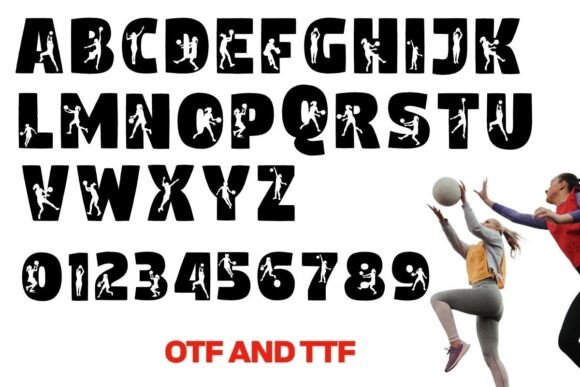
At first glance, the Netball typeface feels like a visual shout. It is a bold display font characterized by its uppercase letters and robust numerals. Unlike delicate serif fonts or flowing script fonts, Netball is built for impact. It features clean lines and modern geometry that suggest strength and stability, making it an ideal candidate for projects that need to convey professionalism and athleticism simultaneously.
What sets this creative font apart is its versatility in format. Provided in both OTF and TTF formats, it ensures compatibility across a wide range of software environments. For the crafter working with a Cricut or Silhouette machine, the crisp vector edges ensure that vinyl cuts are sharp and weed easily. For the digital designer, the font renders beautifully on high-resolution screens. It captures the "strong" aesthetic of a sans serif font but adds a unique personality that feels distinctly tied to athletics. It avoids the over-stylized look of some retro sports fonts, opting instead for a modern typography approach that feels current and fresh.
From the Locker Room to the Boardroom: Practical Applications
While the name suggests a specific sport, the utility of this typeface extends far beyond the netball court. Its structural integrity makes it a versatile tool in a designer’s arsenal, capable of elevating various types of design assets.
Branding and Logo Design
For small businesses, particularly those in the fitness, wellness, or active lifestyle sectors, a logo needs to communicate energy instantly. Using Netball in logo design helps establish a brand identity that feels dynamic and authoritative. It works exceptionally well for gym branding, athletic apparel lines, or youth sports organizations. The bold nature of the letters ensures that the logo remains legible whether it is embroidered on a jersey or printed on a business card.
Merchandise and Packaging
If you are an entrepreneur selling physical goods, packaging design is your silent salesperson. Netball excels on packaging for sports drinks, protein bars, or active gear. The font’s weight gives shelf presence. Furthermore, for merchandise like t-shirts, hoodies, and caps, Netball provides that authentic, sporty look that consumers often seek. It pairs well with distressed textures for a vintage vibe or clean backgrounds for a minimalist, modern aesthetic.
Digital Presence and Marketing
In the realm of web design and social media graphics, hierarchy is king. You need headlines that stop the scroll. Netball is perfect for H1 headers on sports blogs, bold call-to-action buttons on e-commerce sites, or overlay text on video thumbnails. Its high contrast makes it legible even at smaller sizes or when overlaid on busy photography, such as action shots of athletes. For marketing assets like flyers, posters, and event invitations, the font adds a sense of urgency and excitement that handwritten fonts or standard web fonts often lack.
Strategic Typography: Improving Visual Communication
Choosing a font is rarely just about aesthetics; it is about strategy. A well-chosen typeface like Netball can significantly improve how your audience perceives and interacts with your content. This is about visual consistency and audience engagement.
When you use a cohesive font across your brand identity—from your Instagram stories to your invoice templates—you build recognition. Your audience begins to associate the visual style of the font with your business. Because Netball has such a distinct personality, it aids in brand recognition. People will remember the "look" of your headers.
Moreover, readability is a critical component of professional presentation. A common pitfall in editorial design is using a decorative font for body text. Netball, being a display font, is engineered for headlines and short bursts of text. Using it correctly—paired with a clean, neutral body font—improves the overall reading experience. It draws the eye to the most important information first, guiding the user through your content hierarchy naturally.
Mastering the Pair: Typography Advice for Creators
To get the most out of the Netball font, it is helpful to understand the art of font pairing. Because Netball is bold and expressive, it works best when balanced with something more subdued.
- Contrast is Key: If you are using Netball for your headers, pair it with a clean geometric sans serif font or a classic serif font for your body copy. This contrast prevents the design from becoming overwhelming and ensures your message is accessible.
- Spacing and Kerning: Athletic fonts often benefit from slightly increased letter spacing (tracking) when used in all-caps settings. This opens up the text, making it look more airy and high-end, rather than cramped. Always review the kerning in your specific software to ensure the spacing feels balanced.
- Context Matters: Consider the medium. For digital products, ensure the font size is large enough to remain sharp on mobile screens. For print materials like posters, you have more freedom to play with scale. Don't be afraid to blow the font up to massive sizes to create a focal point in your layout.
Before finalizing your design, take a moment to review the included font styles. Ensure the specific weights and variations (such as bold or outline, if included in the family) align with your project's goals. Additionally, always double-check the commercial licensing terms. If you are creating designs for a client or selling merchandise, you need to ensure your license covers these commercial uses to protect your business and respect the creator's work.
Ultimately, typography is the voice of your design. By incorporating a modern typography