Cultures: The Bold Typeface for Sports, Gaming, and Active Brands
There is a specific kind of energy that defines the world of sports, gaming, and active lifestyles. It is fast-paced, competitive, and visually aggressive. When you are building a brand in this space, you cannot afford to look timid. You need typography that hits as hard as your athletes or as fast as your gameplay. This is exactly where the right typeface stops being a passive design element and starts becoming the engine of your visual identity. We are talking about type that commands attention instantly, whether it is plastered across a stadium banner or flashing across a mobile screen.
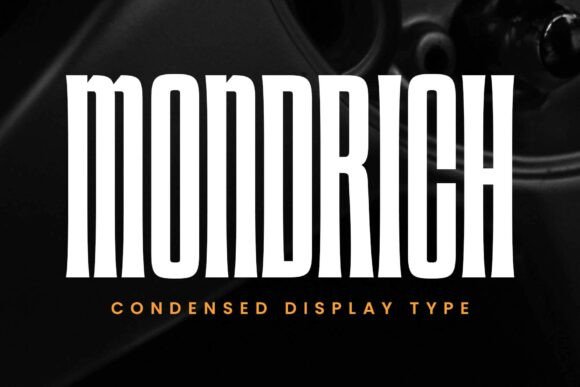
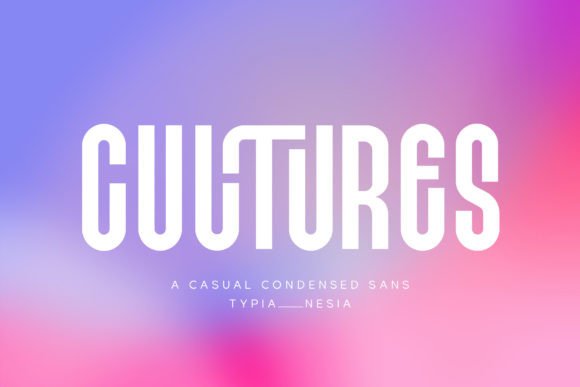
Enter Cultures Condensed Sans. This is not just another bold typeface; it is a modern display font engineered for high-impact scenarios. Designed with a distinct condensed structure, it maximizes vertical space while maintaining a heavy, substantial weight. This unique combination allows designers to stack words, create massive headlines, and squeeze high-energy copy into tight spaces without sacrificing legibility. For anyone working in branding, advertising, or digital content creation, understanding how to leverage a font like this can be the difference between a design that blends in and one that dominates the market.
Visual Characteristics: Why Condensed Works
To understand the value of Cultures, you have to look at the geometry of modern design. Screens are getting smaller, yet the demand for attention is getting louder. A standard sans serif font often takes up too much horizontal space, forcing you to shrink your font size to fit a headline on a mobile ad or a product label. Condensed typography solves this problem elegantly. By narrowing the width of the letters, Cultures allows you to keep the font size massive—ensuring readability—while fitting more characters on a single line.
The visual personality of this typeface is undeniably athletic. It carries a sense of forward motion and stability. The letterforms are clean and modern, avoiding unnecessary flourishes that might date the design later. This makes it an incredibly versatile premium font. It feels just as appropriate on a high-end fitness apparel tag as it does on the title screen of a retro-arcade video game. It strikes a balance between the geometric precision of modern sans serif fonts and the raw power required for sports branding.
Practical Applications: From Pitch to Pixel
The true test of a display font is how well it performs across different mediums. A font might look great on a website mockup but fall apart when embroidered on a jersey or printed on a glossy magazine cover. Cultures Condensed Sans is designed to be functional, which opens up a massive array of creative applications for designers and business owners.
For logo design, the condensed nature of the font allows for a compact, badge-like aesthetic. Think of the logos for major sporting leagues or e-sports teams; they often rely on strong, vertical typography that feels like a stamp of authority. Cultures provides that structure out of the box. You can easily create a monogram or a wordmark that feels grounded and professional.
When it comes to packaging design, shelf space is prime real estate. If you are designing for a protein powder, a sports drink, or even a line of energy bars, you need to communicate the product name and key benefits quickly. This font allows you to stack text vertically or create bold horizontal bursts that cut through the noise of a busy retail shelf.
In the realm of digital products and web design, the font serves as a powerful tool for hierarchy. It is perfect for H1 headers, call-to-action buttons, and sale banners. Because it is so bold, it creates an immediate focal point, guiding the user’s eye exactly where you want it to go. For social media graphics, where users scroll at lightning speed, a bold typeface is your best weapon for stopping the thumb. Use it for Instagram stories, YouTube thumbnails, or Twitter headers to ensure your message is read in milliseconds.
Strategic Branding and Audience Engagement
Choosing a font is a psychological decision as much as an aesthetic one. The typeface you select tells your audience who you are before they read a single word of your copy. By utilizing a modern typography choice like Cultures, you are signaling that your brand is contemporary, energetic, and serious about its presence.
For entrepreneurs and small business owners, visual consistency is the holy grail of branding. You want your customers to recognize you instantly, whether they are looking at a business card or a billboard. Using a versatile typeface that includes multiple styles or weights allows you to maintain this consistency. While Cultures is primarily a bold display face, it anchors the brand identity, allowing you to pair it with simpler body text fonts for a complete system.
Consider the impact on audience engagement. In the gaming industry, typography often reflects the genre of the game. A gritty, condensed sans serif works perfectly for shooters, racing games, or competitive strategy titles. It mimics the look of military stencils or industrial signage, which subconsciously reinforces the theme of the game. For merchandise—like t-shirts, hoodies, and caps—bold typography is a staple. People wear words that represent their identity, and a strong, graphic font makes those words look like a design feature rather than just text.
Pairing and Professional Presentation
One of the most practical aspects of working with a heavy display font is learning how to pair it. You generally would not write a full paragraph of body copy in a condensed, bold font because it would become difficult to read over long distances. Instead, Cultures is the "voice" of your headlines, and you need a "whisper" for your body text.
A great strategy for font pairing is to contrast the weight and width. If you use Cultures for your headers, consider pairing it with a light or regular-weight sans serif for the body text. This creates a clear hierarchy that makes your designs look professional and easy to navigate. Alternatively, for a more editorial look, you could pair this bold sans serif with a classic serif font or even a subtle script font for accents, though you should be careful to ensure the script doesn't clash with the geometric nature of the condensed letters.
When testing your pairings, pay close attention to readability. Place your headline and body text side-by-side in a mockup. Squint your eyes. Can you still distinguish the words? If the headline is too tight or the body text is too thin, adjust the spacing (kerning and leading) until the layout breathes.
Licensing and Asset Management
For those looking to use this font in commercial projects, understanding the licensing is crucial. Most premium fonts come with specific terms regarding how they can be used. If you are a designer creating a logo for a client, you typically need to ensure the license covers commercial use and that the client is aware of the terms. If you are a content creator using the font for digital products to sell, such as printable planners or graphic templates, you must verify that the license permits distribution within digital files.
Treat your fonts like any other design asset. Keep them organized in your library so you can easily access them for future projects. A font like Cultures Condensed Sans is a workhorse; you will likely find yourself reaching for it whenever a project calls for high energy, sports themes, or a modern, industrial edge. It is a versatile tool in the toolkit of any creative entrepreneur, marketer, or graphic designer aiming to build brands that demand attention.
Ultimately, typography is about communication. Cultures Condensed Sans communicates strength, speed, and modernity. Whether you are designing a poster for a local marathon, branding a new e-sports team, or creating packaging for an outdoor adventure gear company, this font provides the visual backbone needed to make your project a success. It is a reminder that in a crowded visual landscape, the boldest voice often wins.