Gomen Demon: Capturing the Pixel-Perfect Nostalgia of Arcade Classics
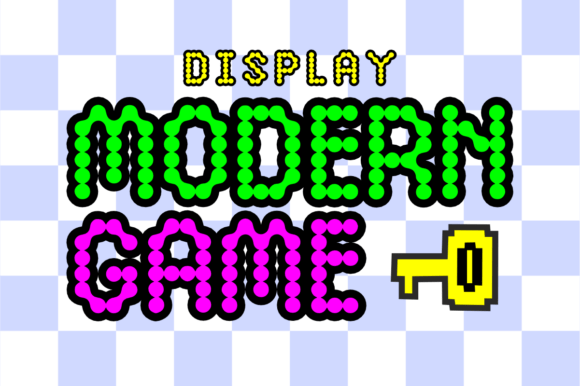
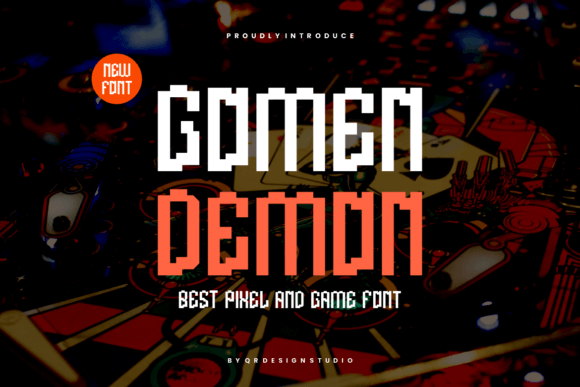
There’s an unmistakable rush of memory that hits you when you see the blocky, pixelated text of a classic arcade game. It’s the font of high scores, quest beginnings, and two-player challenges. For designers and creators, tapping into that specific retro aesthetic isn’t just about imitation—it’s about communicating a feeling instantly. Gomen Demon is a pixel game font built for exactly this purpose, offering that authentic, old-school video game vibe in a clean, readable format. It’s more than just a typeface; it’s a direct line to a shared cultural memory of 8-bit and 16-bit adventures.
The Visual Power of Blocky, Pixelated Design
What makes a font like Gomen Demon so visually compelling? Its strength lies in its intentional constraints. Each character is crafted on a grid, with every block of color making a deliberate statement. This creates a powerful sense of clarity and directness. Unlike more ornate typefaces, a pixel font like this one doesn’t rely on delicate serifs or flowing curves. Its personality comes from its structure, weight, and the negative space within and around each letter. This blocky aesthetic feels honest and functional, reminiscent of early digital interfaces where every pixel mattered.
This style excels in environments where you need text to feel integrated into a larger graphic world, rather than sitting on top of it. For digital artists, it’s a native language. The font’s design ensures high legibility even at smaller sizes on screens, a practical consideration rooted in its historical use. The “classic, old-school vibe” isn’t accidental; it’s engineered through consistent stroke widths and simplified letterforms that the eye processes quickly, much like the game menus and dialog boxes it was originally designed for.
Practical Applications: From Branding to Digital Products
The true test of any creative asset is how it performs in the real world. Gomen Demon’s retro style opens up a surprising range of practical applications, making it a versatile tool in a designer’s kit. Its character can help define a brand, enhance a product, or elevate a piece of content.
- Branding & Logo Design: For a company in the gaming, tech, or entertainment space, using this font in a logo or tagline can immediately establish a playful, innovative, or nostalgic identity. Think of a retro game cafe, a tech startup with a playful edge, or a content creator specializing in vintage computing. The font does the heavy lifting of conveying the brand’s personality at a glance.
- Packaging & Merchandise: Physical products benefit immensely from this aesthetic. Imagine the title on a board game box, the label for a craft beer with a geeky theme, or the branding on a line of enamel pins and T-shirts. The pixel style translates well to screen printing and embroidery, offering a bold, graphic look that stands out on shelves and in online stores.
- Social Media & Digital Content: In the fast-scroll world of social media, distinctive typography stops the thumb. Use Gomen Demon for bold text overlays on Instagram graphics, as the header font for a gaming YouTube channel, or in thumbnails for blog posts about retro culture. It creates immediate visual consistency across a content library, making your posts instantly recognizable in a crowded feed.
- Web & Editorial Design: While not for body text, it’s perfect for impactful headlines, pull quotes, or section dividers on a website or blog. Paired with a clean sans-serif font for paragraphs, it can create a dynamic and engaging editorial layout that guides the reader’s eye. The same principle applies to designing event posters, festival invitations, or magazine features with a pop-culture angle.
Making Your Project Work: Pairing and Practicality
Choosing a display font with this much personality is the first step. The next is using it effectively. A font like Gomen Demon is a specialist—it’s built for headlines, logos, and short bursts of impactful text. Its blocky nature means it’s not designed for long-form reading. The key to success is pairing it wisely.
For body copy, always choose a highly readable companion. A simple, modern sans-serif font provides a clean contrast that lets the pixel font shine without overwhelming the viewer. Think of a classic like Helvetica or a contemporary geometric sans-serif. This pairing creates a visual hierarchy: the bold, nostalgic display font grabs attention, while the neutral body font delivers the information comfortably. Testing your pairings at the actual size they’ll be used is crucial. What looks good on a design mockup might be too dense or too sparse in practice.
Before committing to a font for a commercial project, always review the included styles and the licensing terms. Does it come with all the characters and punctuation you need? Is the commercial license clear and suitable for your intended use, whether for a client’s logo, a product line, or marketing materials? Understanding these details upfront ensures your design process is smooth and legally sound, letting you focus on the creative work.
Ultimately, a typeface like Gomen Demon is a powerful tool for visual storytelling. It doesn’t just spell out words; it evokes an era, a technology, and a specific kind of interactive joy. By understanding its strengths and applying it thoughtfully, you can harness that nostalgic power to make your own projects more engaging, memorable, and authentically styled. It’s about using the right tool to connect with an audience who shares that same appreciation for the pixelated past.