Capturing the Energy of the Diamond with Bold Typography
There is a distinct visual rhythm to the game—the crisp snap of a jersey, the arc of a ball against a bright blue sky, and the unmistakable confidence of an athlete stepping into the batter's box. If you are a designer, small business owner, or team manager, you know that capturing that specific energy in a logo or marketing material is no easy feat. Generic fonts often fall flat, lacking the dynamic movement required to convey the speed and power of a fast-paced sport. This is where the concept of a dedicated sports typeface becomes not just a preference, but a necessity. The "Softball Girls" font enters this space as a bold solution, offering a varsity-inspired aesthetic that speaks the language of the diamond fluently. It is designed to bridge the gap between professional athleticism and creative flair, providing a visual identity that feels authentic to the sport.
Visual Identity and the Varsity Aesthetic
When we talk about the visual appeal of a typeface like Softball, we are really discussing the psychology of the "varsity" look. This style is deeply ingrained in American sports culture. It evokes tradition, team spirit, and a sense of legacy. However, this particular typeface modernizes that tradition. It is not just a dusty collegiate serif; it is a display font characterized by strong lines and a commanding presence. For branding purposes, this visual weight is crucial. Whether you are designing for a local travel team, a high school booster club, or a commercial brand targeting female athletes, the typography needs to communicate strength immediately.
The distinction between a standard sans serif font and a sport-specific display font often lies in the details. Standard sans serifs are designed for neutrality and legibility in body text, whereas a display font like Softball is engineered for impact. It works exceptionally well in all-caps formats, which is standard practice for athletic branding. This creates a visual block that feels solid and immovable—much like a catcher guarding home plate. For entrepreneurs in the sports merchandise space, this translates to products that look professional and "official" right out of the box.
From the Field to the Storefront: Practical Applications
The versatility of a sports-themed typeface extends far beyond the scoreboard. If you view this font merely as a tool for numbering jerseys, you are missing a significant portion of its utility. Let’s look at how this asset functions across different mediums, particularly for those involved in marketing and product creation.
For packaging design, a bold typeface is essential for shelf appeal. Imagine a brand selling energy bars, grip tape, or athletic apparel. Using a standard script font or a delicate serif font might make the product look elegant, but it fails to communicate the durability and energy of the sport. Softball provides that necessary "snap" on packaging that catches the eye of a consumer who is active and sporty.
In the realm of digital marketing and social media graphics, the font serves a different but equally vital role. On platforms like Instagram or TikTok, where content is consumed rapidly, text must be legible in a fraction of a second. The heavy weight and distinct silhouette of this typeface make it perfect for headlines on game-day flyers, sale announcements for sports equipment, or motivational quotes overlaid on training videos. It ensures that the message is not just seen, but felt.
Furthermore, for those running e-commerce stores or Etsy shops selling personalized items, this font is a game-changer. It is the perfect engine for creating custom team gifts, such as tumblers, tote bags, and blankets. The "all caps" nature of the font simplifies the design process, allowing creators to quickly mock up personalized items without worrying about awkward letter spacing or mixed-case alignment issues that often plague less robust fonts.
Integrating a Premium Font into Your Brand Strategy
Choosing the right typography is a strategic business decision, not just an artistic one. Consistency in typography builds brand recognition. When a softball league or a sports blog uses the same distinct typeface across their website, their email newsletters, and their physical signage, they are building a cohesive brand identity. This consistency signals professionalism to parents, sponsors, and fans alike.
However, integrating a bold display font requires some practical know-how. One of the most common mistakes in design is using a display font for body copy. A typeface like Softball is designed for high visibility at larger sizes. Using it for long paragraphs of text on a website will result in poor readability and a cluttered look. Instead, use it for hierarchy. Pair it with a clean, simple sans serif font for your descriptions and longer text. For example, a bold, sporty headline in Softball paired with a classic font like Roboto or Open Sans for the sub-text creates a balanced, professional layout that guides the reader's eye naturally.
It is also worth considering the "personality" of your project. If you are designing a flyer for a "Bark in the Park" event or a family-friendly clinic, the font conveys fun and excitement. If you are designing a logo for a competitive travel team, the same font conveys seriousness and intensity. The versatility of the varsity style allows it to adapt to the context provided by your color palette and imagery.
Technical Considerations for Designers and Creators
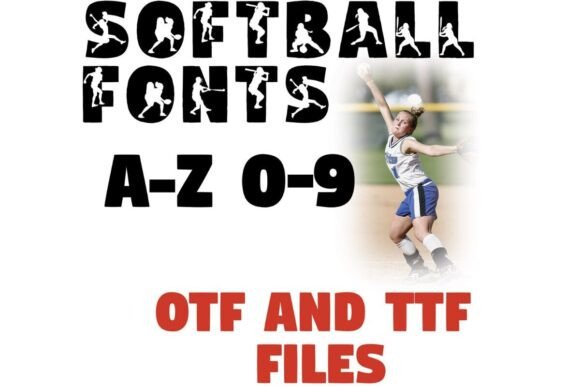
For the creative professional, the technical specifications of a font file matter just as much as the look. The availability of OTF (OpenType) and TTF (TrueType) formats ensures compatibility across almost every design software imaginable, from Adobe Illustrator and Photoshop to Canva and Procreate. This cross-software compatibility is vital for modern workflows where a design might start on a desktop and finish on an iPad.
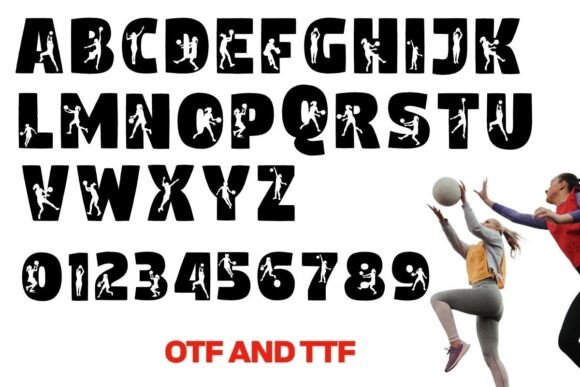
When working with a premium font, always review the specific character map. While the description notes that it features all caps and numbers, check for special punctuation or stylistic alternates if available. In sports typography, numbers are just as important as letters. A jersey number needs to have the same visual weight and style as the team name to look cohesive.
Finally, a note on licensing. For small business owners, understanding the difference between personal and commercial use is critical. If you are creating a logo for a client, selling merchandise, or using the font in a paid advertisement, you generally need a commercial license. This protects you legally and supports the type designers who create these assets. Always verify that your license covers your specific intended use, especially if you are creating physical products for sale.
Knocking Your Design Out of the Park
Ultimately, the goal of any design asset is to solve a problem. In the case of sports branding and merchandise, the problem is often a lack of authentic, high-energy visual tools. The Softball typeface solves this by offering a ready-made solution that carries the inherent excitement of the game. It allows creators to bypass the struggle of trying to force a generic font to look "sporty" and instead provides a tool that was born for the job.
Whether you are a hobbyist creating a scrapbook page for your daughter's season, a blogger designing headers for a sports commentary site, or a professional designing a logo for a new athletic brand, the right typography sets the tone. It tells your audience that you understand their world. By utilizing a font that mirrors the varsity aesthetic of the sport, you are not just arranging letters; you are invoking the spirit of competition, teamwork, and victory. Download the asset, pair it with your best photos, and watch as your designs transform from static layouts into dynamic visual stories.