Urban Fragment: A Typeface for the Future of Design
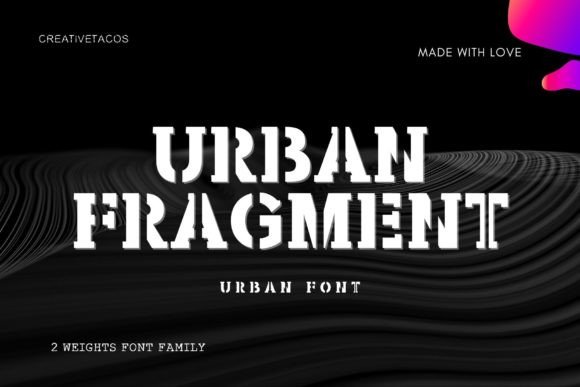
There’s a certain energy that defines our current moment—a blend of digital precision and organic, almost glitchy, human expression. It’s the aesthetic of smart cities, of data streams visualized as art, of brands that feel both technical and deeply personal. Capturing this feeling in a design requires tools that speak the same language. Enter the Urban Fragment Font, a typeface that doesn’t just follow trends but helps define them. Its sleek contours and innovative wave-like intricacies aren’t merely decorative; they’re a direct translation of the modern urban and digital landscape into a usable, powerful design asset.
The Anatomy of a Modern Typeface
What makes a font feel “futuristic” without becoming illegible or gimmicky? The answer lies in balanced innovation. Urban Fragment operates in that sweet spot as a premium display font. Its letterforms are built on a foundation of clean, geometric sans serif clarity, ensuring each character is instantly recognizable. The magic happens in the details: subtle, flowing waves integrated into the strokes, giving the typeface a sense of motion and organic rhythm. This isn’t a static, cold font. It pulses with a quiet energy, making it perfect for projects that need to convey innovation, dynamism, and a forward-thinking mindset.
Think of it as a bridge between the rigid grid of technology and the fluidity of human experience. This duality is its greatest strength. For a brand identity in the tech sector, it communicates sophistication and cutting-edge service. For a music festival poster, it captures sound waves and electric energy. For a luxury automotive brand, it suggests speed, precision, and streamlined design. The visual personality is confident, intelligent, and unmistakably contemporary.
From Brand Marks to Packaging: Where Urban Fragment Shines
A great typeface is a versatile workhorse. Its true value is measured in its application across a wide spectrum of creative projects. Logo design is a natural home for Urban Fragment. Its distinctive character helps a brand mark stand out in a crowded marketplace, offering a unique silhouette that is memorable and scalable from a favicon to a billboard.
Beyond the logo, this creative font elevates entire visual systems. Consider its role in:
- Packaging Design: On a sleek box for a new gadget or a minimalist cosmetic product, Urban Fragment adds a layer of perceived value and modernity. It tells the customer the product inside is designed with the same care as the exterior.
- Web Design & Digital Presence: Used for headlines and key call-to-action text on a website, it grabs attention instantly. It’s equally effective in social media graphics, where stopping the scroll is paramount. A bold quote card or an announcement featuring this typeface will stand out in a feed.
- Editorial & Print Layouts: Magazine covers, chapter openers in a book, or event posters can leverage its display qualities to set a powerful tone. It pairs exceptionally well with a clean, readable serif font or a simple sans serif font for body copy, creating a dynamic and professional typographic hierarchy.
- Branding Assets & Merchandise: From business cards and letterheads to t-shirts and tote bags, the font maintains its impact. It ensures visual consistency across every customer touchpoint, which is fundamental to building strong brand recognition.
Practical Advice for Implementation
Adopting a new typeface into your workflow is about more than just liking how it looks. It requires strategic thinking to ensure it serves your project’s goals effectively. Here’s how to get the most out of a font like Urban Fragment.
First, review the included font styles. Does the family come with multiple weights—Light, Regular, Bold, Black? Are there italics or alternate characters? Understanding the full toolkit allows you to create nuanced designs with proper hierarchy without needing to mix in another font family unnecessarily.
Next, test font pairings rigorously. A common mistake is pairing two strong display fonts together, which creates visual competition. The rule of thumb is contrast and complement. Let Urban Fragment be the star of your headlines. Pair it with a highly legible, neutral sans serif font like Helvetica or a classic serif font like Garamond for body text. This ensures your message is both impactful and easy to read at length.
Readability is non-negotiable. While its display nature makes it perfect for large sizes, avoid using it for long paragraphs of small text. Its intricate details can become muddled at small scales, hindering comprehension. Always print a test page or view a prototype on multiple screens to check legibility. For digital products like eBooks or presentations, this step is crucial for a professional presentation.
Finally, understand the licensing. If you’re using Urban Fragment for commercial work—for a client’s logo, on merchandise for sale, or in a paid digital product—you need to ensure you have the correct commercial license. Most reputable font foundries offer clear licensing options for desktop, web, and app use. This isn’t just a legal formality; it’s an ethical practice that supports the designers who create these essential design assets.
Aligning Typography with Audience and Message
The fonts you choose are a silent ambassador for your brand’s voice. Selecting Urban Fragment is a deliberate choice. It signals that your brand is modern, innovative, and pays attention to detail. It’s an excellent fit for audiences in tech, creative industries, urban fashion, automotive, and entertainment. For a small business owner or entrepreneur, it can help project an image of being established and forward-thinking, even if you’re just starting out.
As a content creator or blogger, using it for your featured images and titles can significantly boost audience engagement. It makes your content feel more curated and professional, which builds trust with your readers. For marketing professionals, incorporating it into campaign assets—from email headers to digital ad banners—can increase click-through rates by making the creative more visually arresting.
In the end, typography is about communication. The Urban Fragment Font offers a new dialect—one that speaks of the sleek, integrated, and dynamic world we live in. By understanding its personality, applying it thoughtfully to the right projects, and pairing it wisely, you can harness its power to not only make your designs look contemporary but to ensure they resonate deeply with a modern audience. It’s more than just a font; it’s a tool for visual storytelling in the digital age.