Gameback: Where Gothic History Meets Arcade Nostalgia
Imagine a font that feels like it was chiseled from ancient stone but also glows with the pixelated energy of a retro arcade cabinet. That’s the unexpected magic of Gameback. This isn’t just another display typeface; it’s a time machine for your designs, merging the authoritative, condensed forms of blackletter script with the tactile, nostalgic grain of 8-bit gaming. For designers, entrepreneurs, and creatives, it offers a rare visual shorthand: instant historical weight paired with deep-seated cultural nostalgia.
A Typeface with Dual Heritage
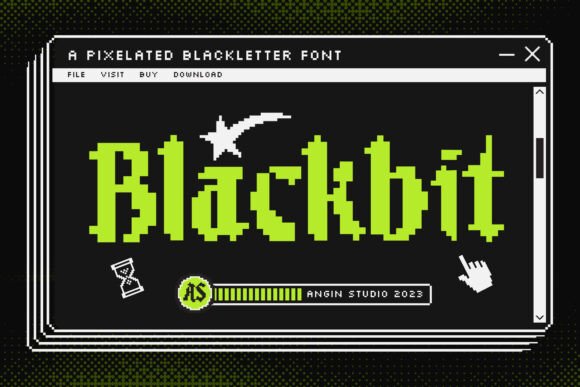
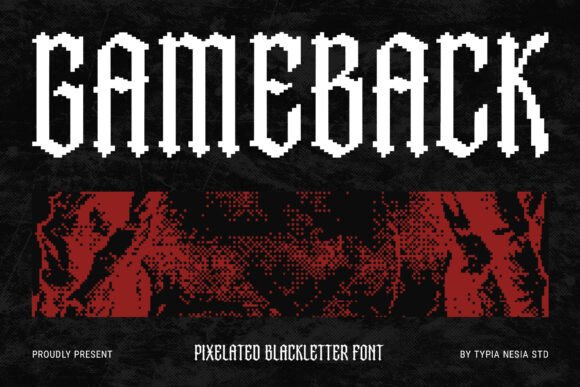
What makes Gameback visually compelling is its deliberate fusion of two seemingly opposite aesthetics. The core structure is undeniably blackletter—think towering, condensed letterforms that command attention and convey a sense of tradition, formality, and strength. This is the typography of old manuscripts, crests, and historical documents. However, instead of smooth, engraved lines, each character is built from a subtle, gritty 8-bit pixel texture. This pixelation doesn’t make the font hard to read; instead, it adds a layer of digital patina, evoking the glow of CRT monitors and the iconic sprites of classic video games.
This combination creates a retro-futuristic appeal that feels both familiar and entirely new. It’s a font that doesn’t just sit on a page; it tells a story. The strong character of this pixelated blackletter design makes it perfect for projects that need to be seen and remembered. Whether you’re designing a logo for a craft brewery, a title for an indie game, or a poster for a music festival, Gameback provides an immediate visual hook that’s difficult to ignore.
Practical Applications for Bold Branding
The true value of a premium font like this lies in its versatility across real-world projects. Its high-impact nature makes it a standout choice for several key applications where visual impact is non-negotiable.
- Logo & Brand Identity: For brands that want to project strength, authenticity, or a rebellious edge, Gameback can form the cornerstone of a powerful brand identity. Think of a tattoo studio, a specialty coffee roaster, or a vintage clothing brand. The font’s unique blend of history and edge helps carve out a distinct space in a crowded market, boosting brand recognition instantly.
- Packaging & Product Design: On a shelf or in an online store, packaging needs to grab attention in seconds. Using this display font for product names on labels, boxes, or merchandise (like t-shirts and hats) adds a tactile, artisanal quality that suggests craftsmanship and a story behind the product. It’s especially effective for limited-edition releases or themed products.
- Event & Marketing Collateral: From music branding for a band or festival to event posters for a comic convention or retro gaming night, Gameback sets the tone immediately. It injects a sense of drama and excitement into social media graphics, digital ads, and printed flyers, helping to drive audience engagement through sheer visual character.
- Digital Interfaces & Editorial Design: While primarily a display font, it can be used strategically in web design for hero section headlines, navigation menus on themed sites, or as a striking element in editorial layouts for magazines or blogs covering gaming, music, or subculture topics. It adds personality without sacrificing clarity when used at appropriate sizes.
Making It Work: Pairing and Practicality
Introducing a font with such a strong personality into a design requires a thoughtful approach. The goal is to let it shine without overwhelming the viewer or sacrificing readability.
Mastering Font Pairings
The key to using a blackletter or highly stylized display font effectively is contrast. You wouldn’t pair Gameback with another ornate script font. Instead, let it be the star and support it with a clean, neutral companion. A simple, geometric sans serif font for body text or a classic, highly legible serif font for longer copy creates a perfect balance. This contrast ensures your headlines pop while your supporting text remains easy to read, maintaining visual consistency across your project.
Readability and Testing
Always test your chosen font in context. Because Gameback has intricate details, its readability can change based on size, color, and background. Use it for headlines, titles, and short, impactful phrases. Avoid setting entire paragraphs in it. Test it on both screen and print mockups. How does it look on a mobile screen? Does the pixel texture hold up when printed on textured paper? This testing phase is crucial for ensuring your professional presentation is flawless.
Exploring the Character Set
Before diving into a project, take time to explore the full character set of the font. A quality typeface like this often includes alternate characters, ligatures, or stylistic sets that can add even more unique flair to your designs. Understanding what’s available allows you to customize your typography and create truly one-of-a-kind logo designs or typographic compositions.
Licensing for Commercial Use
If you’re a small business owner, entrepreneur, or designer working on client projects, always verify the commercial licensing of any font you use. A creative font like Gameback is an investment in your project’s visual toolkit. Ensure the license covers your intended use—whether for a single client project, merchandise for sale, or unlimited digital products—to avoid legal headaches down the line.
In the end, choosing a font is about finding a voice that aligns with your project’s soul. Gameback speaks in a unique dialect—one that’s both ancient and digital, formal yet playful. It’s a tool for those who want their designs to have a narrative depth, a visual punch, and a memorable aesthetic that stands apart from the crowd. By understanding its strengths and applying it strategically, you can harness its power to create designs that are not just seen, but felt and remembered.