Where Design Meets Pixel Perfection: The Blackbit Typeface
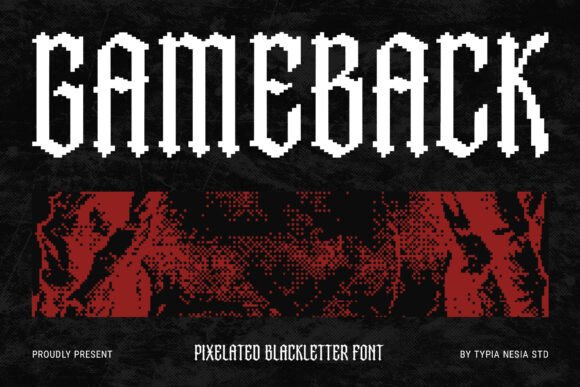
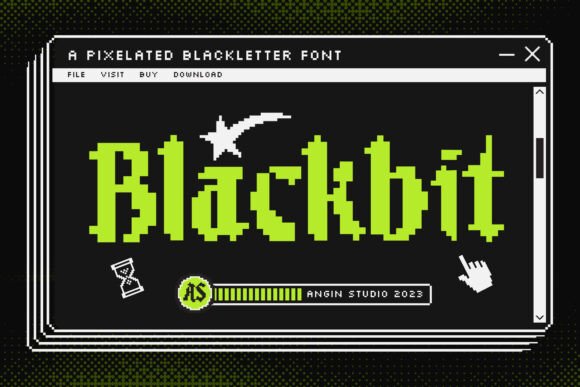
There’s a specific kind of magic in the glow of a CRT screen and the chunky, determined shapes of early digital text. It’s a visual language that speaks of high scores, epic quests, and the dawn of a new creative medium. For designers and creators who want to channel that distinct energy into modern projects, a standard font just won’t do. You need a typeface that understands the grid, that respects the pixel, but is built for today’s high-resolution world. This is where Blackbit enters the scene—a pixelated blackletter font that bridges the golden era of 8-bit and Sega game visuals with contemporary design needs.
A Typeface with a Story in Every Glyph
Blackbit isn’t just a collection of characters; it’s a carefully crafted design asset. Inspired by the ornate forms of traditional blackletter script, each letter has been reimagined on a pixel grid. The result is a striking display font that feels both nostalgic and fresh. The sharp, angular serifs and condensed proportions of blackletter typography are translated into a digital mosaic, creating a powerful visual impact. This unique blend makes it a premium font choice for projects that demand attention and personality. It’s a creative font that carries history in its strokes—think medieval manuscripts filtered through the lens of a 1990s arcade cabinet.
The true artistry lies in its readability. While many retro-inspired or decorative fonts sacrifice clarity for style, Blackbit is designed with a modern touch. Each pixel is placed with intention, ensuring that the text remains legible at various sizes, from a bold headline on a poster to a stylized logo on a business card. This balance of style and function is what separates a good design asset from a great one.
Practical Applications Across Creative Projects
The versatility of a well-designed typeface like Blackbit is where its value truly shines. It’s not confined to a single niche; it’s a tool that can solve a variety of visual communication challenges. Consider how its distinct personality can serve different goals.
- Branding and Logo Design: For a brand targeting gamers, tech enthusiasts, retro culture fans, or even edgy streetwear, Blackbit offers an instant identity. A logo set in this pixelated typeface communicates a specific aesthetic before a single word of copy is read. It helps build brand recognition through a unique and memorable visual signature.
- Packaging and Merchandise: Product packaging for craft beer, energy drinks, or specialty snacks can leverage this font to stand out on crowded shelves. Similarly, merchandise like t-shirts, hats, and posters for bands, gaming clans, or indie artists gains an authentic, stylized look.
- Digital Presence: On websites and blogs, Blackbit can be used for headlines, navigation elements, or call-to-action buttons to inject personality into the user experience. For social media graphics, it’s perfect for creating eye-catching quotes, announcements, or profile elements that stop the scroll.
- Print and Editorial Design: Think of event posters for a gaming tournament or a retro-themed party. In editorial layouts for magazines or zines, it can be used for drop caps or section headers to create a strong visual rhythm. It also works beautifully for invitations to themed events or for digital products like game UI, stream overlays, and downloadable art.
The key is matching the typography to the project’s goals. Blackbit excels in contexts where you want to evoke a sense of playfulness, nostalgia, rebellion, or digital craftsmanship. It’s less suited for long-form body text but is a powerful ally for any short, impactful text element that needs to carry significant style.
Pairing and Practicality: Making It Work
Introducing a strong display font like Blackbit into a design system requires some thoughtful consideration. The goal is to let it shine without overwhelming the viewer or sacrificing overall readability.
Font Pairing is Essential. Because Blackbit has such a strong personality, pairing it with a more neutral typeface is crucial. A clean sans serif font for body text or supporting copy creates a harmonious contrast that guides the reader’s eye. A simple, geometric sans serif can balance the ornate details of the blackletter style. Similarly, a straightforward serif font can provide a classic counterpoint. Avoid pairing it with other highly decorative or script fonts, as this can create visual chaos.
Test for Context and Readability. Always test your chosen font pairing in the context where it will be used. A headline that looks perfect on a desktop screen might be too dense when viewed on a mobile device. Print a sample to check how the pixel details reproduce in ink. Ensure there is sufficient contrast between the text and its background. The included font styles—often ranging from regular to bold or with additional stylistic sets—should be reviewed to find the perfect weight for your specific application.
Consider the Licensing. For any commercial project, whether it’s a client’s logo, a product for sale, or marketing materials, understanding the font license is non-negotiable. Ensure the license covers your intended use, be it for print, digital, or merchandise. This is a fundamental part of professional presentation and protects both you and your client.
Ultimately, Blackbit is more than just a novelty. It’s a functional piece of modern typography that offers designers, entrepreneurs, and creators a distinct voice. It’s about using the language of pixels to tell a story, to build a brand identity, and to connect with an audience on a visceral, nostalgic level. In a landscape of endless options, a typeface with this much character doesn’t just fill space—it makes a statement.